NIVA Venues In Focus: Q&A With Pabst Theater Group’s Gary Witt
JamBase’s series highlighting the National Independent Venue Association features the essential Milwaukee locations.
By Team JamBase Jul 30, 2026 • 1:08 pm PDT
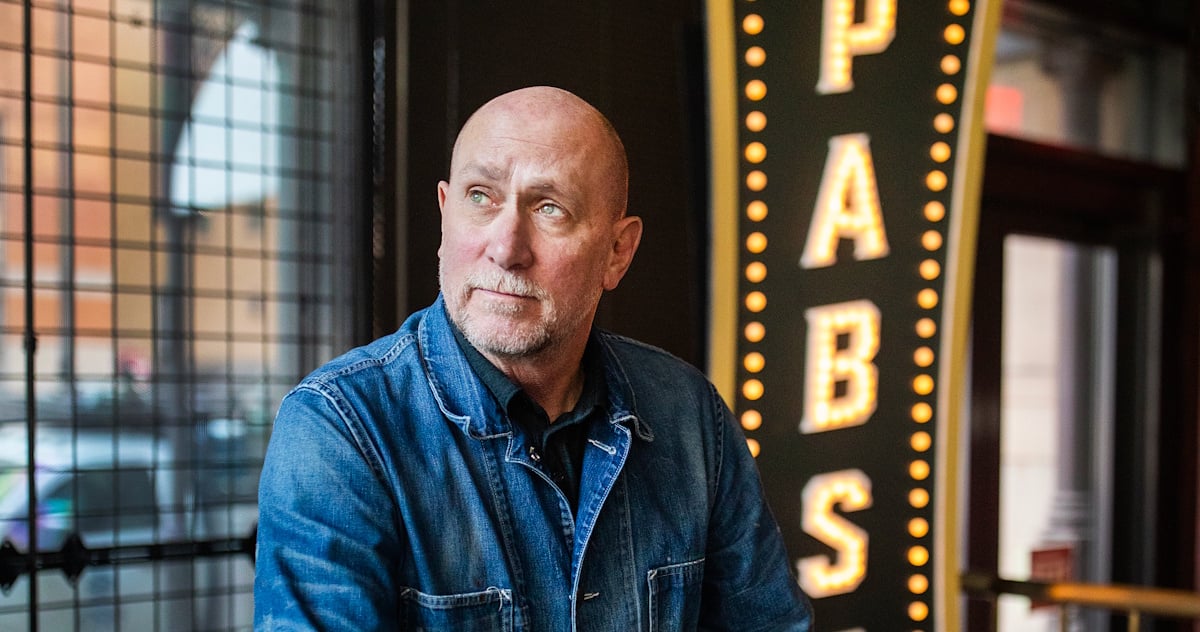
Photo by Alex Zimdars
Independent music venues remain among the most vital and vulnerable institutions in American live music. These spaces are where artists develop, communities form and local culture takes root. JamBase’s interview series with National Independent Venue Association (NIVA) member venues looks for insights into the history, challenges and rewards of running independent rooms across the country. This installment features a Q&A with Pabst Theater Group’s Gary Witt.
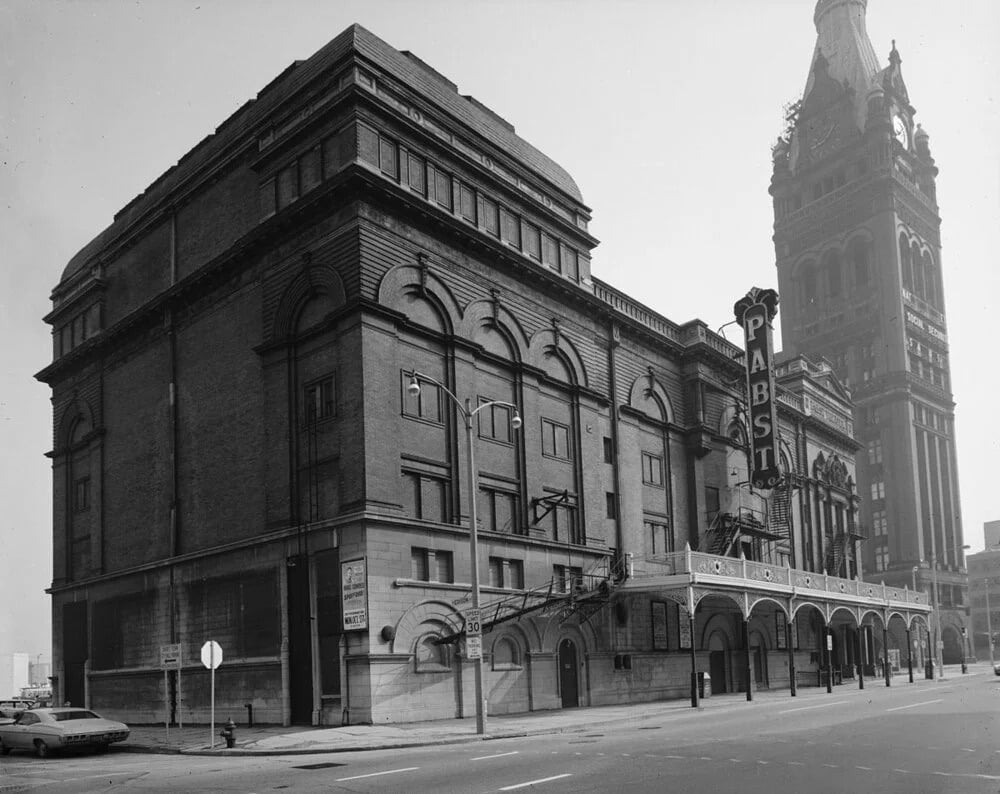
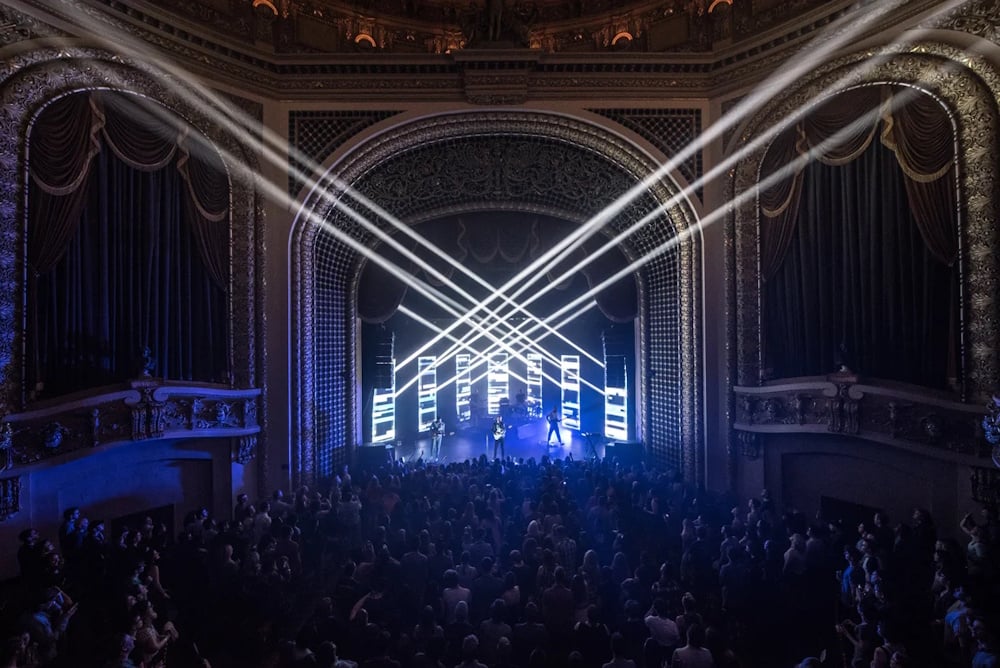
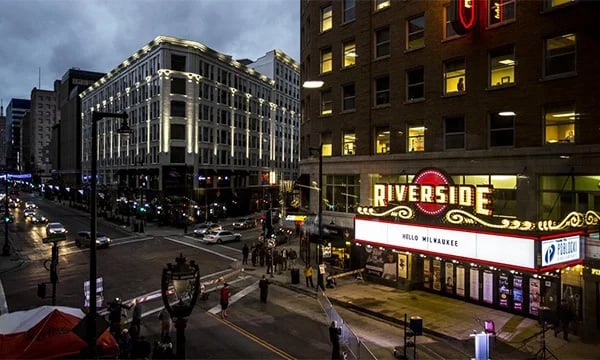
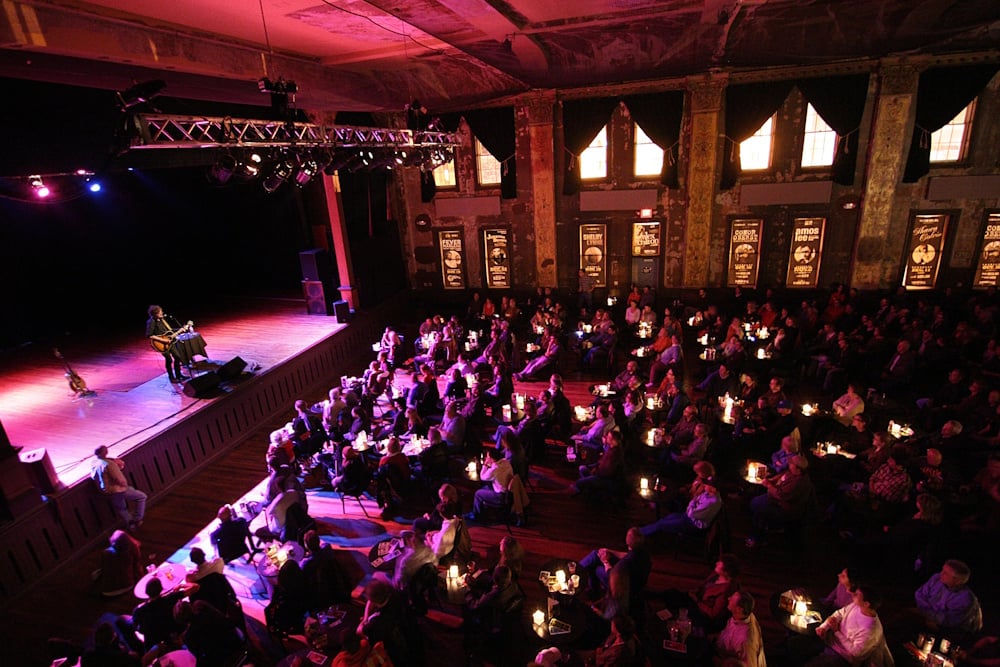
Pabst Theater Group operates six venues in downtown Milwaukee. The Pabst Theater, built in 1895, anchors as a National Historic Landmark modeled after a European opera house. The Riverside Theater opened in 1928 along the Milwaukee River, and Turner Hall Ballroom occupies a National Historic Landmark building constructed in 1882.
Pabst Theater Group also includes Miller High Life Theatre, the 450-capacity Vivarium and The Fitzgerald, a private event venue.
Upcoming shows at The Pabst Theater include performances by Sleep, Punch Brothers and Indigo Girls. The Riverside Theater hosts Modest Mouse, Tori Amos and a three-night run from Widespread Panic.
Turner Hall Ballroom has shows booked with American Football, Bikini Kill and Kurt Vile & The Violators. Miller High Life Theatre has a three-night stand from Goose in November, along with Tom Jones and several others. Vivarium’s schedule includes Bahamas, North Mississippi Allstars and Craig Finn, plus many more.
Gary Witt has been part of Pabst Theater Group since 2002, and serves as president and CEO. Pabst Theater Group, which books and hosts several hundred shows annually across its venues, is a founding NIVA member.
JamBase spoke with Witt about the philosophy behind running an independent venue group, brand partnerships, where he sees the live music business heading and more.
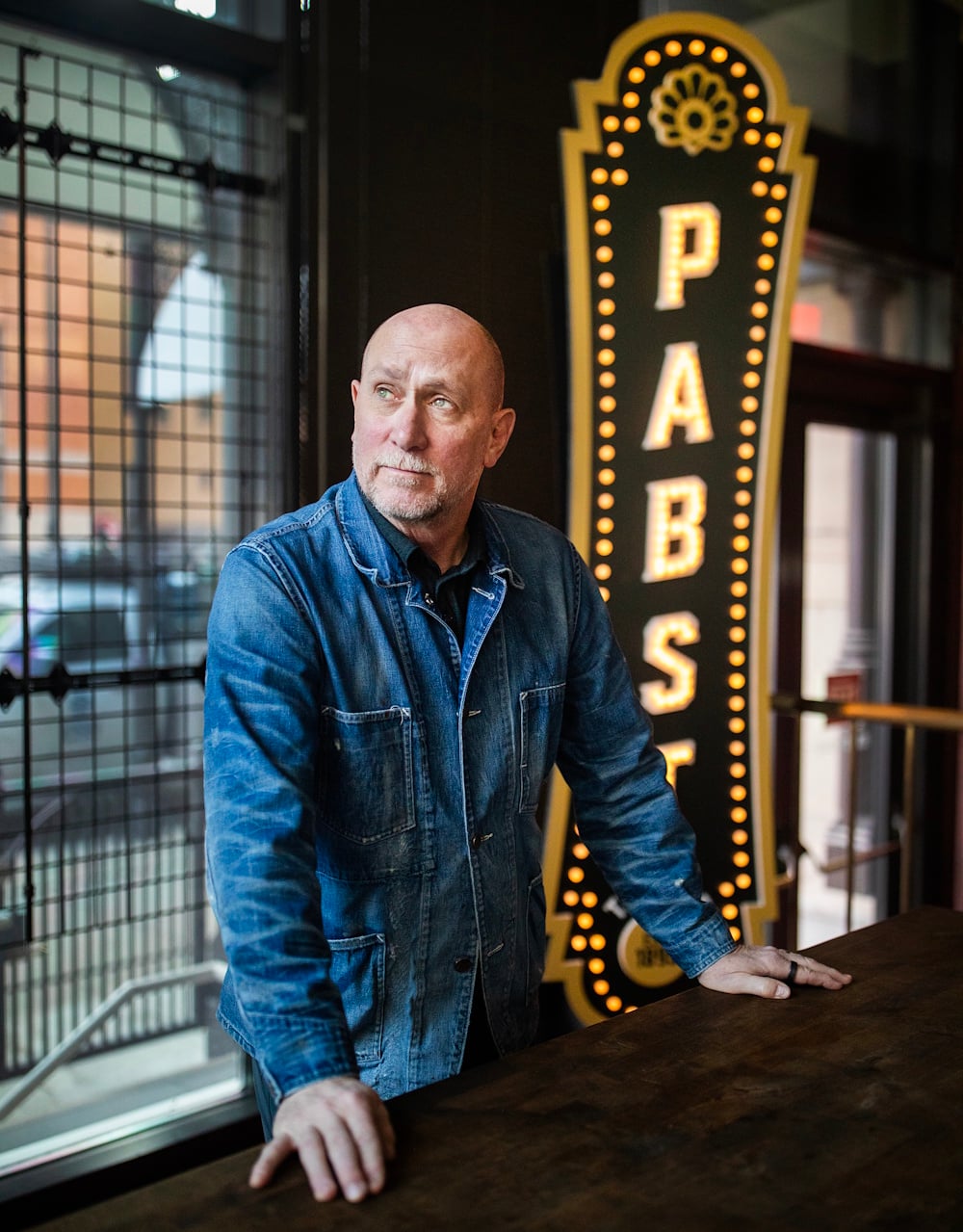
Photo by Alex Zimdars
What drew you to working at an independent venue?
Choosing to work for a massive, publicly traded entertainment conglomerate is an exercise in signing away your humanity. You become a cog in a giant, soulless yield-optimization machine where the primary metric of success is making the quarterly numbers look pretty for institutional investors who couldn’t name a single song by the artist on stage.
I didn’t get into this business to maximize shareholder value for a spreadsheet. I chose independent venues because of a luxury asset that giant corporations are fundamentally incapable of producing: intentionality.
When you strip away the corporate bureaucracy, you get to focus on what actually matters.
In a corporate venue, backstage amenities are decided by a procurement committee in Los Angeles trying to shave two cents off the cost of a bottle of water. With us, hospitality is an art form. We treat artists like human beings and fans like guests in our home, not just wallets with legs. That level of care doesn’t scale, which is exactly why the monopolies can’t replicate it.
Monolithic corporations are designed to minimize risk, which is a polite way of saying they manufacture mediocrity. They build sterile environments where nothing unexpected or magical can ever happen. We operate on a different currency: compassion, community and a borderline religious reverence for the live experience.
If your sole metric of fulfillment is Return on Investment, go work for a spreadsheet. But if you want a Return on Experience, if you want to build something that actually leaves a dent in the culture, you go independent.
Did you have a mentor or a formal background in the business, or did you figure it out as you went?
I was in the record business for 17 years prior. Many people and experiences informed our goal: developing community instead of just selling tickets.
What do you wish you knew when you started that you know now?
I would change nothing. Experience is the greatest teacher, and networking and relationships add fuel to fan the flame.
What are three things you wish concertgoers understood about what it takes to run an independent venue?
I only want them to enjoy the experience and share that experience with others. Managing and operating an independent venue is a sacred experience that can only be understood by really doing it.
What’s your favorite thing about Pabst Theater Group?
All of our venues have tremendous history within their walls, encompassing past performances and current shows. If you could bottle the emotion that remains in a venue like The Pabst after a show, you could bring happiness to the world.
Is there a show or a moment at that you’ll never forget?
There are many. The shows back when we first began in the early 2000s were important in changing the soul and identity of the Pabst from a PAC to something much cooler. So shows by artists like Bright Eyes, M. Ward, David Byrne, Bon Iver and others really stand out as redefining the room.
How do you approach booking? What qualities do you look for when you’re curating your calendar?
We look at the community we have developed and the community around us and we focus on serving them.
How do you think about brand partnerships and sponsorships? What makes one feel right for Pabst Theater Group?
Let’s be honest: in the corporate world, “sponsorship” is usually just a polite word for digital vandalism. Companies with too much capital pay to plaster their logos onto historic institutions, turning sacred cultural spaces into high-fenced billboards for erectile dysfunction medication or predatory fintech apps.
At the Pabst Theater Group, we view brand equity as a finite reservoir. You spend decades filling it up with blood, sweat, and killer programming, and you can drain it in 10 seconds by selling out to the wrong bidder.
We manage our brand like a luxury asset because that’s exactly what it is. When it comes to partnerships, our filter isn’t just “does the check clear?” It’s a ruthless assessment of alignment based on two core pillars.
Our first look is always local, Milwaukee or Wisconsin. Why? Because regional authenticity is an undervalued economic multiplier. When a local brand partners with a local institution, it doesn’t feel like a transaction; it feels like an alliance. It reinforces the community ecosystem. If we slap a massive, generic Silicon Valley software logo on a 130-year-old theater, we aren’t building culture, we’re just renting out our history to a company that views our audience as “daily active users.”
Every potential partner undergoes a strict brand compatibility test. Do they respect the live experience, or do they want to interrupt it? Do they add value to the night, or are they just trying to harvest data in the lobby?
If a partnership doesn’t amplify our mission or respect the relationship we’ve built with this city, the answer is a hard “no.” Capital is cheap; a legendary reputation is irreplaceable.
How has the post-pandemic landscape changed the way you operate?
The pandemic didn’t change the trajectory of the live music industry; it just acted as a time machine, accelerating 10 years of consolidation and structural rot into 18 months.
Post-2020, the major monopolies doubled down on their algorithmic stranglehold over ticketing and touring, turning live music into a luxury asset class where a nosebleed seat costs the same as a used Honda Civic. But the truly disruptive narrative here isn’t the predictable behavior of corporate titans, it’s the weaponization of the independents.
Enter NIVA (National Independent Venue Association).
Before the pandemic, independent venue owners operated like feral cats: distrustful, fiercely territorial, and perfectly content to starve in their own distinct corners. The virus forced an existential realization: organize or die.
What started as a desperate group chat evolved into the most effective lobbying and operational force this industry has ever seen. NIVA didn’t just lobby for government lifelines to keep the lights on, they fundamentally altered the power balance.
By aggregating hundreds of independent rooms under one banner, the “little guys” suddenly achieved the collective bargaining power and data network of a massive conglomerate, minus the soul-crushing corporate overhead.
We went from running venues on “gut feeling” and cash-drawer math to sharing institutional knowledge, routing data and political leverage.
The pandemic gave the monopolies a bigger shovel to dig their moats, but it gave the independents a megaphone and a unified playbook. We are no longer just surviving in their ecosystem; we are running a smarter, leaner, and infinitely more resilient counter-insurgency.
What live music industry trends are you watching closely over the next couple of years?
We are witnessing the slow, painful death of the “Concrete Box Economy.”
For the last two decades, the live music monopolies, who possess all the corporate soul of a private equity firm at a foreclosure auction, have operated on a simple, parasitic thesis: pack thousands of sweaty, cash-poor twenty-somethings into a featureless concrete rectangle, charge them $18 for a warm beer, and call it “culture.”
It’s a bad business model, and biology is finally calling its bluff.
The future of live entertainment isn’t standing room; it’s reserved seating. Here’s why:
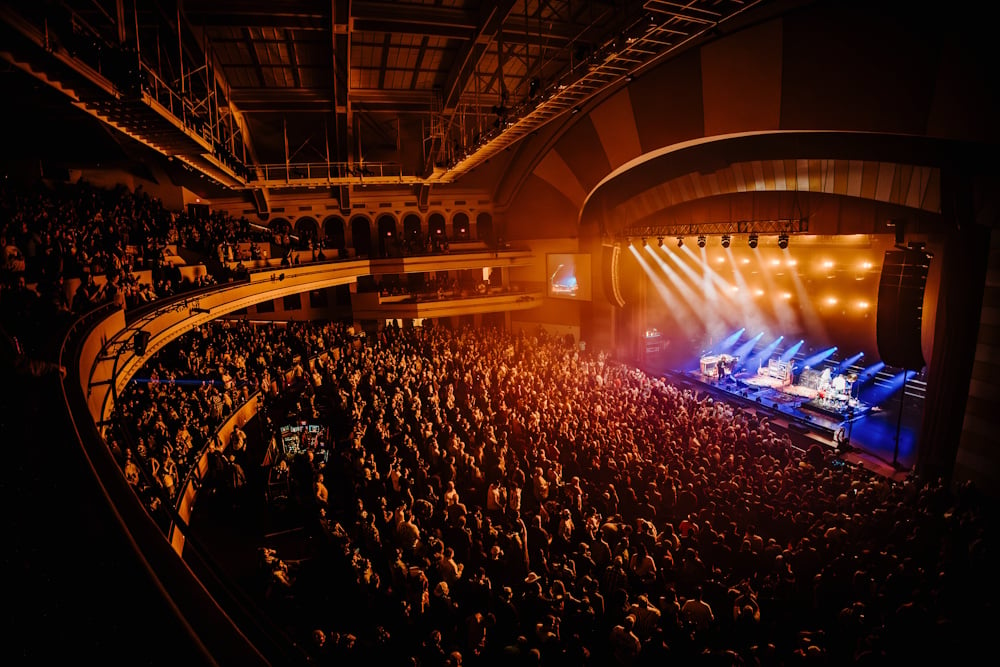
In a General Admission (GA) room, the hedge fund manager in the second row pays the exact same price as the college dropout in the 50th row. That isn’t egalitarianism; it’s terrible yield management. Reserved seating allows venues to aggressively tier pricing. The front row becomes a high-margin luxury good for people with disposable income, which dramatically increases the house gross and allows you to write a much bigger guarantee check to the artist.
Wealthy consumers, the ones actually buying tickets instead of streaming bands on a stolen Spotify account, are aging. They don’t want an “immersive GA experience.” They want a cup holder, a dedicated armrest, and the structural support of a chair. If I am paying hundreds of dollars to see an artist, I want to sit down. I do not want an unwashed stranger grinding against my lower vertebrae while I try to appreciate a guitar solo.
The GA floor is a depreciating asset. Premium, seated real estate is the ultimate margin engine. The monopolies just haven’t figured out how to pour the concrete for it yet.
What’s your advice for someone who wants to open an independent venue today?
First, schedule an appointment with a neurologist to see what’s short-circuiting in your brain. Then, if you still want to do it, get ready to run a counter-insurgency against the most aggressive monopolies in modern capitalism.
If you are going to jump into the meat grinder: the number one killer of indie venues isn’t bad booking, it’s running out of cash before the community finds you. Double your projected renovation costs and triple your expected runway. If your business model relies on breaking even in year one, you are already dead. You need enough working capital to survive a six-month drought of terrible tours and broken plumbing without blinking.
Do not try to build a cheaper version of a Live Nation box. You will lose. Instead, build a cultural fortress. Your venue needs to be an irreplaceable community asset. Build a room that artists beg to play because the backstage doesn’t feel like a sterile green room, and build an environment where fans show up just because they trust your curation. You aren’t selling tickets; you are selling a sense of belonging.
If your only margin comes from the cut of the ticket price, you’re playing a losing hand. The ticket pays the artist; the ancillary spend pays your mortgage. You need to be a world-class hospitality operation that happens to have a stage. Master the high-margin games: premium local beverage partnerships, exclusive VIP memberships, merchandise curation, and daytime private events.
The monopolies own the plumbing of this industry, but they don’t own the culture. Find your niche, over-capitalize the engine, treat hospitality like a religion, and get ready to fight for every square foot of real estate.